Why Washing Salmon Before Cooking Is Not A Good Idea
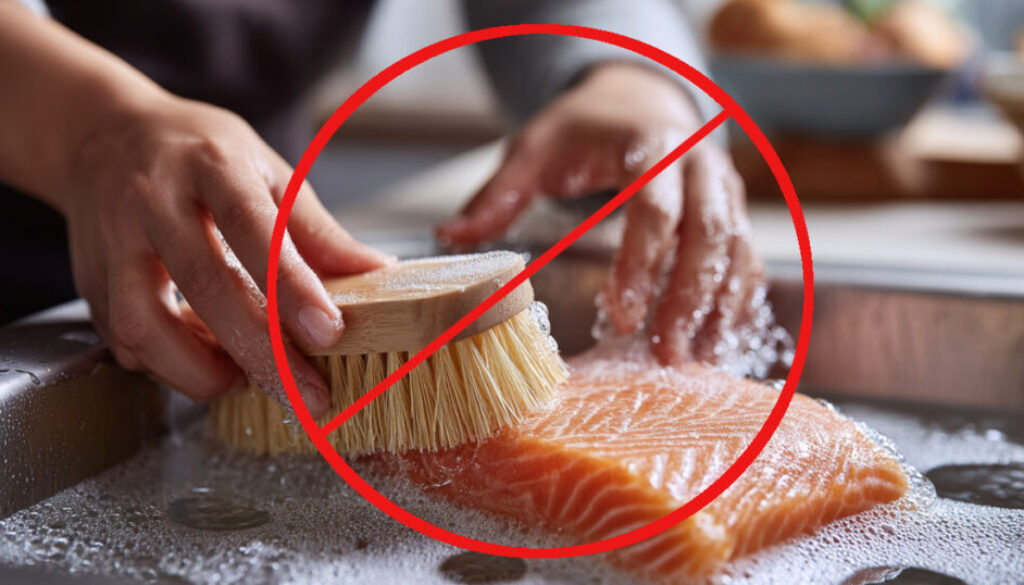
Wondering if you should rinse that fresh salmon fillet before cooking? Many home cooks face this dilemma, tempted to wash their fish to remove slime or a fishy smell. But here’s the truth: rinsing salmon can do more harm than good. According to the USDA and FDA, washing raw seafood like salmon increases the risk of spreading harmful bacteria around your kitchen. At GoodSalmonRecipes.com, we’re here to guide you through safe salmon prep for delicious, worry-free meals.
In this article, we’ll explore why washing salmon is risky, debunk common myths, and share expert tips for preparing salmon without rinsing. Plus, we’ve included a simple, no-rinse salmon recipe to get you cooking like a pro. Let’s dive in!
Why You Shouldn’t Rinse Salmon Before Cooking
Rinsing salmon might seem like a good way to clean it, but it’s a risky practice. Here’s why experts, including the USDA, advise against it.
Washing Salmon Spreads Harmful Bacteria
When you rinse raw salmon under the tap, water droplets can splash bacteria like Salmonella or Listeria onto countertops, sinks, and nearby utensils. A 2019 USDA study found that 60% of people who washed poultry had bacteria in their sinks afterward, and the same applies to seafood. These pathogens can cause foodborne illnesses, especially if they contaminate ready-to-eat foods like salads.
Instead of rinsing, pat salmon dry with paper towels to remove any surface debris. Dispose of the towels immediately and sanitize your workspace to keep your kitchen safe.
Rinsing Affects Salmon’s Flavor and Texture
Washing salmon can dilute its natural flavors and alter its texture. Salmon’s delicate oils, which give it that rich, buttery taste, can wash away under running water. This is especially true for wild-caught salmon, where flavor is a prized feature. Rinsing also makes the fish waterlogged, leading to a mushy texture when cooked, particularly for methods like pan-searing that rely on a crisp exterior.
To preserve salmon’s taste and texture, skip the rinse and focus on proper cooking techniques, like searing at high heat or baking at the right temperature.
Common Myths About Washing Salmon
Many home cooks rinse salmon because of persistent myths. Let’s set the record straight.
Does Rinsing Salmon Remove Fishy Smell?
A common belief is that rinsing salmon eliminates its “fishy” odor. However, a strong smell often indicates the salmon isn’t fresh. Fresh salmon should have a mild, ocean-like scent. If it smells off, rinsing won’t help—instead, check its freshness by examining its color (bright, not dull) and texture (firm, not slimy). For a pleasant aroma, try marinating salmon with lemon, herbs, or garlic instead of washing it.
Does Washing Salmon Kill Bacteria?
Another myth is that rinsing salmon kills bacteria. Water alone doesn’t eliminate pathogens—only cooking salmon to an internal temperature of 145°F, as recommended by the USDA, ensures safety. Rinsing simply spreads bacteria, increasing contamination risks. Proper handling, like using clean utensils and cooking thoroughly, is the best way to ensure your salmon is safe to eat.
How to Prep Salmon Safely Without Rinsing
Prepping salmon without rinsing is simple and keeps your kitchen safe. Follow these expert tips for perfect results every time.
Step 1: Pat Salmon Dry and Remove Debris
Use clean paper towels to gently pat the salmon dry. This removes any surface slime or scales without spreading bacteria. If you spot small bones, use fish tweezers or clean pliers to pull them out, working in the direction of the grain to avoid tearing the flesh. Place used towels in a sealed bag before discarding to prevent contamination.
Step 2: Check for Freshness
Before cooking, ensure your salmon is fresh. Look for bright, glossy flesh, a mild scent, and firm texture. If the salmon is slimy or smells overly fishy, it may not be safe to eat, and rinsing won’t fix this. Buy from reputable sources, like local fish markets or trusted grocers, to guarantee quality.
Step 3: Cook to the Right Temperature
Cooking salmon to 145°F at its thickest part kills any potential bacteria, making rinsing unnecessary. Use a food thermometer for accuracy. For moist, flaky results, try baking at 400°F for 12–15 minutes or pan-searing for 3–4 minutes per side, depending on thickness. Explore our salmon cooking guide for more tips.
Alternative Ways to Clean Salmon for Cooking
If you’re concerned about debris or odor, there are safe alternatives to rinsing that enhance flavor and safety.
- Brining: Soak salmon in a saltwater solution (1/4 cup salt per quart of water) for 15 minutes to firm up the flesh and reduce any mild odors. Pat dry before cooking.
- Marinating: Use acidic ingredients like lemon juice or vinegar in a marinade to neutralize odors and add flavor. Try our lemon-herb marinade for a quick option.
- Patting with Vinegar: Lightly dab the salmon with a vinegar-soaked paper towel to address surface bacteria or smells, then pat dry immediately.
These methods keep your salmon delicious and safe without the risks of rinsing.
Try This No-Rinse Salmon Recipe
Ready to put these tips into action? Below, we’ve prepared a placeholder for a simple, no-rinse salmon recipe that highlights the fish’s natural flavors. Insert your WP Recipe Maker recipe here for a mouthwatering pan-seared salmon dish, complete with ingredients and steps, to delight your readers.
Placeholder for WP Recipe Maker: This pan-seared salmon recipe skips the rinse for maximum flavor and safety. With just a few ingredients and minimal prep, you’ll have a crispy, golden fillet ready in minutes. Add your recipe details below to guide readers through this easy, delicious dish.
15 Minute Pan Seared Salmon
Ingredients
Equipment
Method
- Heat the olive oil in a large skillet over medium high heat.
- While the pan is heating season the salmon fillets with salt and pepper to taste.
- Place the salmon fillets, skin side up, in the pan. Cook undisturbed for 5 minutes, or until a golden brown crust forms.
- Carefully flip the salmon and cook for an additional 5-6 minutes or until fish is opaque and easily flakes.
- Remove the salmon from the pan. Add the butter to the pan and melt.
- Add the garlic to the pan and cook for 30 seconds, stirring constantly. Stir in the lemon juice and salt and pepper to taste.
- Spoon the sauce over the top of your fillets
- Sprinkle the parsley over the salmon, then serve.
Frequently Asked Questions About Washing Salmon
Can I Rinse Frozen Salmon Before Cooking?
No, rinsing frozen salmon is unnecessary and risky. Thaw it safely in the fridge overnight or in a sealed bag under cold water, then pat dry. Cooking to 145°F ensures safety.
Does Rinsing Salmon Affect Freezing?
Rinsing salmon before freezing can introduce excess moisture, leading to freezer burn or texture loss. Pat dry and wrap tightly in plastic wrap or a freezer bag instead.
How Do I Know If Salmon Is Fresh Without Rinsing?
Check for bright, glossy flesh, a mild ocean-like smell, and firm texture. Avoid salmon with dull color, sliminess, or a strong fishy odor.
Is It Safe to Eat Salmon Skin If I Don’t Rinse It?
Yes, salmon skin is safe and delicious when cooked properly. Pat it dry, season, and cook skin-side down for crispiness. Ensure the salmon reaches 145°F internally.
Conclusion
Washing salmon before cooking might seem like a good idea, but it increases the risk of bacterial spread and compromises flavor. By patting salmon dry, checking for freshness, and cooking it to 145°F, you can prep safely and enjoy delicious results.
Try our no-rinse techniques and explore more tips at GoodSalmonRecipes.com, like how to pan-fry salmon or perfect salmon temperatures.
Have questions? Drop a comment below—we’d love to hear from you!